
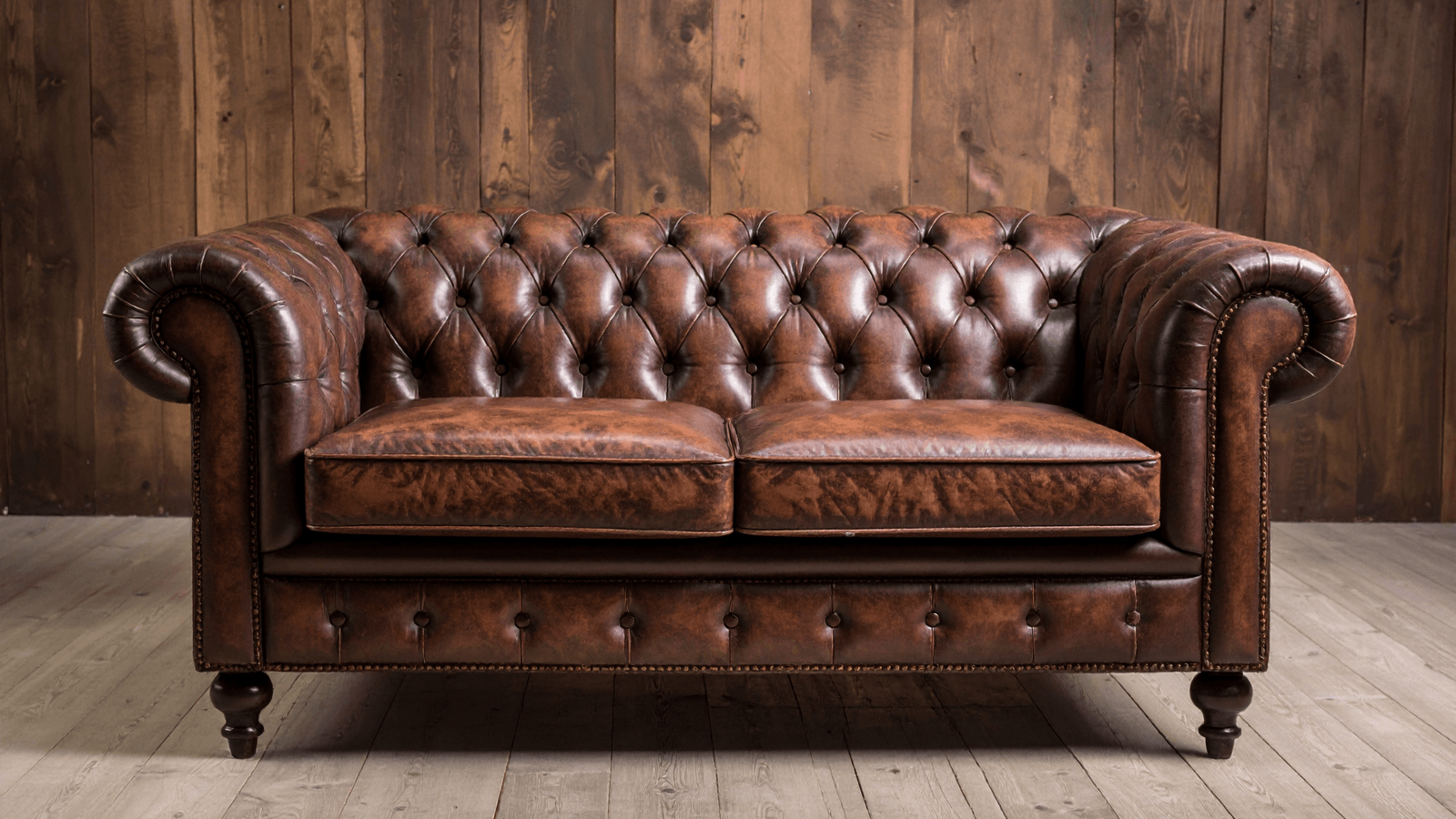
Custom furniture: what every buyer should know before ordering
Before ordering a corner sofa, a settee or any custom piece, buyers tend to face the same questions: how much it costs, whether it will turn out exactly as imagined, which material to choose, how long the wait is and, hardest and most important of all, who to entrust the work to. The answers to these questions decide whether you end up with a unique piece that has a story of its own and lasts for years.
How much it costs and what determines the price
Custom furniture is on average around 30% more expensive than mass-produced furniture, but its durability and quality justify the price. The amount depends on size, complexity, material and the maker, and for veneered particle board it ranges roughly between 100 and 156 EUR/m². It is worth knowing that seemingly small details drive the price: edge banding can in some cases exceed the cost of the material itself, while better hardware determines functionality and lifespan. That is why a comparable quote is one that clearly lists the material, the finishing, the hardware, transport and assembly, not just the final sum.
Which material to choose
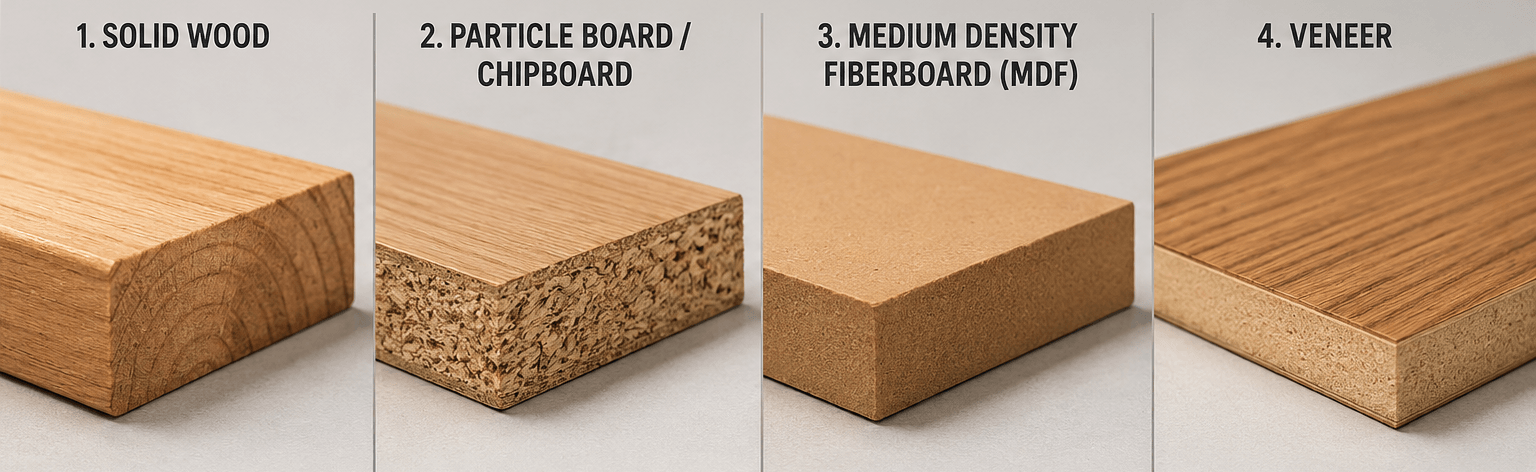
The choice of material has a decisive effect on the price, durability, appearance and weight of the finished piece. The main options differ in several properties:
- Solid wood. The highest-quality and most durable option, pleasant in appearance and highly resistant, but also the most expensive. Solid pieces are considerably heavier, which should be taken into account for transport, assembly and wall mounting.
- Veneered particle board (chipboard). A far more affordable option that, in a dry environment, can last just as long as real wood, at a noticeably lower price. Its main drawback is sensitivity to moisture, which makes it unsuitable for bathrooms and damp rooms. Particle board is also relatively heavy, so larger elements require quality hardware and secure mounting.
- MDF (medium density fiberboard). One of the most widely used materials in modern furniture production, especially for kitchen elements, fronts, doors and profiled decorative details. It is denser, stronger and more homogeneous than particle board, with a smooth surface ideal for painting, lacquering and veneering, so it is favoured for pieces that call for a specific colour, gloss or relief. It is heavier than particle board and, without proper finishing and protection, prone to swelling on contact with moisture.
- Veneer. A thin layer of real wood applied to a cheaper base, giving the look of solid wood at a lower price and lighter weight. It calls for more careful use, since a damaged surface is harder to repair.
For buyers to whom the origin of the material matters, boards from certified sources, such as the FSC certificate, are an indicator of quality and of a well-run business.
How long production takes
Unlike a ready-made piece from a showroom, custom furniture is made only after the order is placed, so the deadline depends on the complexity of the work and how booked the maker is. A clearly defined delivery deadline, stated in a written quote, is one of the most reliable signs that a manufacturer is serious and well organised.
How to choose the right maker
The most common way of finding a maker, through a second-hand recommendation, is at the same time the least reliable. Someone else's satisfaction does not mean the same maker will suit your project, budget and deadlines, so such a choice often ends in a bad experience. A missed deadline, quality different from what was expected, or communication that breaks down just when it is needed most are only some of the problems that then arise.
This is exactly why artofmat partner was created. Its purpose is to show, in one place, all the furniture makers near you and to give you the information that truly matters before choosing a maker, including the experiences of people who have already ordered from them. Instead of relying on a single recommendation or a random search, you get insight into each maker's quality of work, communication and adherence to deadlines, based on real experiences.
That way the most important decision, who to entrust the work to, stops being guesswork and becomes a choice based on verifiable information.